Dental Records Release Form PDF: A Comprehensive Guide
Dental records release forms, often available as PDFs, are crucial for legally transferring patient information․ These forms ensure HIPAA compliance while allowing seamless transitions between dental practices or specialist referrals․
Downloadable templates from sources like Dentistry IQ and Rank My Dentist simplify the process for both patients and dental offices, ensuring proper authorization․
Understanding Dental Records & Their Importance
Dental records encompass a comprehensive history of a patient’s oral health, extending far beyond just fillings and cleanings․ These records include vital information such as X-rays (bitewing, full mouth, and panoramic), detailed treatment plans, progress notes from each visit, and even limited financial records related to treatment․
Their importance stems from providing a continuous and accurate picture of a patient’s dental health journey․ This is critical for consistent care, especially when transferring between dental practices or seeking specialist consultations․ Accurate records enable informed diagnoses and prevent unnecessary or duplicated procedures․
Furthermore, dental records can be essential for legal and insurance purposes․ A complete record serves as documentation in case of disputes or claims․ Properly maintained and legally released records, often facilitated through a dental records release form PDF, are fundamental to patient care and legal protection․
What is a Dental Records Release Form?
A Dental Records Release Form is a legally binding document granting permission for a dental practice to share a patient’s dental information with another party․ Typically available as a PDF for easy download and completion, this form is essential for maintaining HIPAA compliance while facilitating the transfer of records․
The form requires specific details, including patient information (name, date of birth), and recipient information – the name and contact details of the dentist or institution requesting the records․ It also outlines the scope of records to be released, allowing patients to specify exactly what information is shared․
Essentially, it’s written authorization ensuring the patient controls who accesses their sensitive dental history․ Sources like pdfFiller emphasize the form’s role in specifying the purpose of the records transfer, be it a new dentist or a specialist consultation․
Why are Dental Records Released?
Dental records are released for several key reasons, all requiring a completed Dental Records Release Form, often in PDF format․ A primary reason is transferring between dental practices, ensuring continuity of care when patients change providers․ This allows the new dentist to have a complete understanding of the patient’s dental history․

Legal and insurance purposes also necessitate record release, such as for legal claims or insurance benefit verification․ Furthermore, specialist consultations frequently require access to a patient’s existing records – including X-rays and treatment plans – to provide informed opinions and treatment recommendations․
These forms are vital for maintaining HIPAA compliance throughout the process․ As highlighted by Rank My Dentist, the form protects both the patient and the provider by establishing clear authorization for information sharing․
Transferring Between Dental Practices
When switching dentists, a Dental Records Release Form PDF is essential for a smooth transition of care․ This form legally authorizes your previous dental practice to forward your complete dental history – including treatment plans and notes – to your new provider․ Without these records, the new dentist may need to repeat diagnostic procedures, like X-rays, potentially delaying appropriate treatment․
The form ensures continuity, allowing the new dentist to understand past procedures, allergies, and existing conditions․ Practices like Atkinson Dental Health Center specifically request this information via a release form․
Completing the form accurately, with the correct recipient information, is crucial․ It’s a key component of maintaining HIPAA compliance during the transfer, protecting your privacy while facilitating effective dental care․ A current and valid PDF form is always recommended․
Legal & Insurance Purposes

A Dental Records Release Form PDF is frequently required for legal proceedings or insurance claims․ Dental records can serve as crucial evidence in personal injury cases, or when verifying the need for specific dental treatments covered by insurance․ The form ensures legally sound documentation is provided to relevant parties․
Insurance companies often request records to assess the validity of claims, particularly for extensive or complex procedures․ Similarly, legal teams may need a complete dental history to establish pre-existing conditions or the extent of injuries․
HIPAA regulations dictate strict authorization protocols; a properly completed and signed PDF form is vital for compliant release․ The form specifies the scope of records released, protecting sensitive information not directly relevant to the legal or insurance matter․ Using a current, compliant form is paramount․
Specialist Consultations
When a patient requires consultation with a dental specialist – such as an orthodontist, periodontist, or oral surgeon – a Dental Records Release Form PDF facilitates a smooth transfer of vital information․ This ensures the specialist has a comprehensive understanding of the patient’s dental history, including previous treatments, X-rays, and current conditions․
Sharing records allows for a more accurate diagnosis and a tailored treatment plan․ The PDF form clearly outlines which records are being released, preventing unnecessary disclosure of sensitive data․ HIPAA compliance is maintained through proper authorization․

Often, specialists require specific records like panoramic X-rays or detailed treatment notes․ The form allows patients to specify exactly what the specialist needs, streamlining the consultation process․ A readily available PDF template simplifies this process for both the general dentist and the patient․
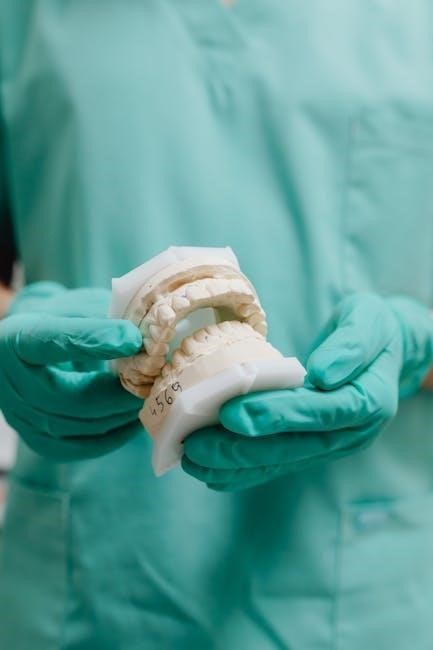
Key Components of a Dental Records Release Form
Dental records release forms (PDFs) typically include sections for patient details, recipient information, and a clear scope of records to be released, ensuring HIPAA adherence․
Patient Information Section
The Patient Information Section of a dental records release form (often a PDF document) is paramount for accurate identification and authorization․ This section consistently requires the patient’s full legal name, printed clearly for legibility․ Crucially, the patient’s date of birth (DOB) is also requested, serving as a secondary verification point․
Many forms, like those from Robert J․ Perreault, DDS, PC, specifically designate a space for the patient or guardian to print their name․ Furthermore, current address and contact phone number are standard inclusions, facilitating communication regarding the record transfer․ Some forms may also request the patient’s signature date, establishing a clear timeline for the authorization․ Accurate completion of this section is vital for HIPAA compliance and preventing unauthorized disclosure of protected health information․ Incorrect or incomplete details can lead to delays or rejection of the request․
Recipient Information Section
The Recipient Information Section of a dental records release form PDF is dedicated to detailing where the requested records should be sent․ This section necessitates the full name of the dental practice or practitioner receiving the information, such as “Atkinson Dental Health Center” or a specific dentist’s name․ A complete physical address is essential – including street number, street name, city, state, and zip code – to ensure accurate delivery․
Furthermore, the form requires a phone number and often a fax number for the recipient practice, as seen in examples from 901 Dehirsch Ave․ This allows for confirmation of receipt and potential clarification․ Some forms, like those available through pdfFiller, specifically prompt for the purpose of the records transfer (e․g․, new dentist, specialist consultation)․ Providing complete and accurate recipient details is critical to avoid delays and ensure the records reach the intended destination securely and efficiently․
Scope of Records to be Released
The Scope of Records to be Released section within a dental records release form PDF defines precisely what information the patient authorizes the releasing dental practice to share․ Commonly requested items include X-rays, categorized by type – Bitewing (typically if less than one year old), Full Mouth, and Panoramic (usually requested if less than three years old), as highlighted by examples from Woodbine, NJ․
Beyond radiographs, patients can authorize the release of Treatment Plans and Notes, providing a comprehensive overview of their dental history․ While less common, Financial Records may be included, though often with limited scope due to privacy concerns․ The form often includes an “Other” field, allowing patients to specify any additional records needed․ Clearly defining the scope ensures only necessary information is transferred, respecting patient privacy and streamlining the process․
X-rays (Bitewing, Full Mouth, Panoramic)

Dental X-rays are frequently requested records, and release forms specifically address different types․ Bitewing X-rays, crucial for detecting interproximal decay, are often requested if taken within the last year․ Full Mouth X-rays provide a broader view of all teeth and supporting structures, typically valid for up to three years․ Panoramic X-rays, offering a wider field of view including the jaw and sinuses, also generally have a three-year validity timeframe․
The release form PDF will usually include checkboxes to indicate which types of X-rays the patient authorizes for release․ Practices like Atkinson Dental Health Center specifically mention these X-ray types on their forms․ Specifying the age of the X-rays ensures the receiving provider has current and relevant diagnostic information, aiding in accurate treatment planning․
Treatment Plans & Notes
Treatment plans and clinical notes form a vital part of a patient’s dental record, detailing diagnoses, proposed treatments, and progress․ A dental records release form PDF must clearly authorize the release of this sensitive information․ This includes details of completed procedures, ongoing care, and any specific instructions given to the patient․
These notes provide crucial context for a new dental provider, preventing unnecessary repetition of diagnostics and ensuring continuity of care․ The authorization section of the form often allows patients to specify if they want all treatment notes released or only those pertaining to a specific timeframe or procedure․ Maintaining accurate and accessible treatment records is essential for legal and insurance purposes, and the release form facilitates this process․
Financial Records (Limited Scope)
Financial records related to dental treatment are generally released with a limited scope via a dental records release form PDF․ Unlike comprehensive clinical data, the release of detailed billing information often requires separate, specific authorization due to privacy concerns․ Typically, a form will allow for the transfer of basic payment history – dates and amounts paid – to verify insurance claims or for accounting purposes․
However, detailed breakdowns of charges, outstanding balances, or credit card information are usually not included unless explicitly requested and authorized by the patient․ Dental practices must adhere to strict HIPAA guidelines regarding financial information․ The release form should clearly delineate what financial data, if any, is being shared, protecting patient confidentiality and ensuring legal compliance․

HIPAA Compliance & Dental Records Release
Dental records release forms must strictly adhere to HIPAA regulations, safeguarding patient privacy․ Proper authorization, detailed documentation, and form validity are essential for legal compliance when releasing PDFs․
HIPAA Regulations & Patient Privacy
The Health Insurance Portability and Accountability Act (HIPAA) establishes national standards to protect individuals’ medical records and other personal health information․ When utilizing a dental records release form PDF, strict adherence to these regulations is paramount․
Patient privacy is central to HIPAA; Forms must clearly outline what information is being released and to whom, obtaining explicit written authorization from the patient․ Dental practices are legally obligated to safeguard Protected Health Information (PHI) and prevent unauthorized disclosure․
A compliant dental records release form acts as a crucial legal document demonstrating this commitment․ It ensures transparency and empowers patients to control their health data․ Failure to comply with HIPAA can result in significant penalties, emphasizing the importance of using current, legally sound form templates, like those available from Dentistry IQ, and maintaining meticulous records of all authorizations․
Authorization Requirements Under HIPAA
HIPAA mandates specific elements for valid patient authorization when releasing dental records via a dental records release form PDF․ These requirements ensure patients understand and consent to the disclosure of their Protected Health Information (PHI)․
A valid authorization must include a clear description of the information to be used or disclosed, the purpose of the disclosure (e․g․, treatment, payment, or healthcare operations), and a specific expiration date or event․
The form must identify the recipient of the information – often a new dental practice like Atkinson Dental Health Center – and include a patient’s signature and date․ Patients have the right to revoke their authorization in writing, and dental practices must honor these requests․ Utilizing standardized PDF templates helps ensure all necessary components are present, safeguarding both patient rights and practice compliance․
Form Validity & Expiration Dates
Dental records release form PDFs aren’t perpetually valid; HIPAA regulations necessitate a defined expiration date or event․ Without one, the authorization is considered invalid․ This timeframe protects patient privacy by limiting the duration records can be shared․
The expiration date should be reasonable and tied to the purpose of the disclosure․ For example, a transfer to a new dentist might have a six-month validity, while authorization for insurance claims could be longer․
Practices utilizing downloadable PDF templates should ensure the form includes a clearly marked expiration date field․ Expired authorizations cannot be honored, and re-authorization is required․ Maintaining accurate records of signed release forms, including expiration dates, is crucial for HIPAA compliance and avoiding potential penalties․
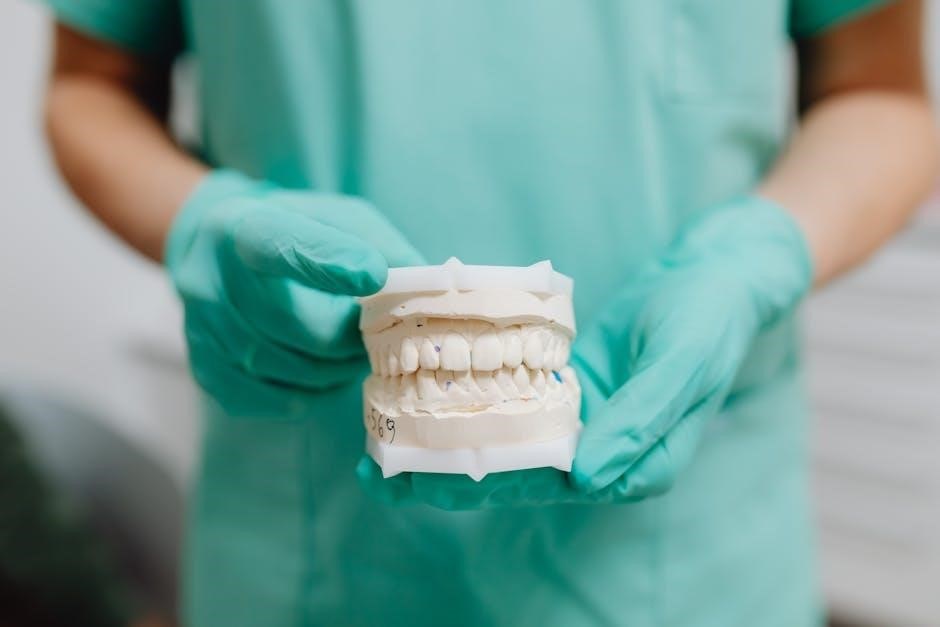
Completing & Submitting a Dental Records Release Form
Dental records release form PDFs require accurate patient and recipient details, signatures, and a defined scope of information․ Submission options include mail, fax, email, or in-person delivery․
Step-by-Step Guide to Filling Out the Form
Completing a dental records release form PDF involves several key steps․ First, carefully print your full legal name and date of birth in the designated patient information section․ Next, provide the complete name and contact details – address, phone number, and fax number – of the dental practice or practitioner receiving the records․
Precisely define the scope of records you wish to release․ Check boxes for specific items like bitewing or full-mouth X-rays, treatment plans, and notes․ If requesting something else, clearly specify it in the “Other” section․ Review the authorization section, ensuring you understand the purpose of the release․
Pay close attention to the expiration date; authorization isn’t indefinite․ Finally, and crucially, sign and date the form․ If completing the form for a minor or someone lacking capacity, a guardian’s signature and documentation of guardianship are essential for validity․

Signature Requirements & Guardian Consent
A valid signature is paramount on any dental records release form PDF․ The patient, being the subject of the records, must personally sign and date the document, confirming their authorization for release․ This demonstrates informed consent, a cornerstone of HIPAA compliance․
However, specific rules apply when dealing with minors or individuals deemed legally incapacitated․ In these cases, a legally recognized guardian must sign on their behalf․ Documentation verifying guardianship – such as court orders or power of attorney – must accompany the form to validate the consent․
The guardian’s signature signifies they have the legal authority to make healthcare decisions for the patient․ Without proper guardian consent and supporting documentation, the release of records is legally prohibited․ Ensure the guardian’s contact information is also clearly provided on the form․
Methods of Submission (Mail, Fax, Email, In-Person)
Dental offices typically offer multiple convenient methods for submitting a completed dental records release form PDF․ Traditional mail remains a secure option, requiring a physical signature and postal delivery to the designated address․ Fax transmission, while still utilized, necessitates a dedicated fax line and confirmation of successful delivery․
Secure email is increasingly common, but requires adherence to HIPAA guidelines regarding encryption and data security․ Practices must employ secure email systems to protect patient information during transmission․ In-person submission provides immediate confirmation and allows for verification of identification․
Regardless of the chosen method, the dental practice should provide clear instructions on the form itself․ Confirming receipt of the form is crucial; practices often send a confirmation email or phone call to the patient․

Finding & Downloading Dental Records Release Form PDFs
Numerous online resources, including Dentistry IQ and Rank My Dentist, offer downloadable dental records release form PDFs․ Ensure the form is current, compliant with HIPAA, and customizable for your practice․
Reputable Sources for Form Templates
Locating a reliable dental records release form PDF is paramount for legal compliance and patient privacy․ Dentistry IQ consistently provides a featured downloadable form, specifically an “Authorization for Use or Disclosure of Protected Health Information,” designed to navigate HIPAA regulations effectively․ This resource is frequently updated to reflect current legal standards․
Rank My Dentist also offers accessible templates, emphasizing the importance of written authorization for record transfers, protecting both the patient and the dental practice․ pdfFiller provides a fillable and printable option, streamlining the completion process․ Additionally, individual dental practices, like Robert J․ Perreault, DDS, PC, often have their own forms available, though verifying HIPAA compliance is crucial when using practice-specific templates․
When selecting a source, prioritize those demonstrating a clear understanding of HIPAA guidelines and offering regularly updated forms to ensure adherence to evolving regulations․ Always review the form thoroughly before use․
Customization Options for Dental Practices
Dental practices often require customized release forms to align with their specific workflows and branding․ While utilizing templates from reputable sources like Dentistry IQ is a strong starting point, modifications can enhance efficiency and professionalism․
Customization typically involves adding the practice’s logo, address, and contact information․ Fields for specific record types – such as bitewing x-rays or treatment plans – can be pre-populated or adjusted based on common requests, as seen in forms from Atkinson Dental Health Center and Woodbine practices․
Practices should ensure any modifications maintain full HIPAA compliance․ Adding specific clauses regarding record transmission methods (fax, email, etc․) or outlining permissible uses of the released information can further clarify authorization․ Legal counsel review is recommended before implementing significant changes to ensure the form remains legally sound and protects patient privacy․
Ensuring the PDF is Current & Compliant
Maintaining an up-to-date and compliant dental records release form PDF is paramount․ HIPAA regulations evolve, and forms must reflect these changes to avoid legal repercussions․ Regularly reviewing the form against current HIPAA guidelines is crucial, as highlighted by Dentistry IQ’s emphasis on legal boundaries․
Check for recent updates to state-specific privacy laws, as these can impact required form elements․ Ensure the PDF clearly outlines patient rights regarding their health information and specifies the scope of authorization granted․
Verify that the form includes essential components like patient information, recipient details, and a clear expiration date․ Forms from 2012, like those found on pdfFiller, may be outdated․ Prioritize sourcing PDFs from reliable sources and implementing a system for periodic review and updates to guarantee ongoing compliance․