Light for Visual Artists PDF by Richard Yot guides artists on natural and artificial light, covering color temperature, shadow play, and digital tools. The second edition deepens practical techniques for emerging creators. for seasoned artists.!!
Overview of the Second Edition Book by Richard Yot
Richard Yot’s second edition of Light for Visual Artists PDF expands on foundational lighting principles, integrating contemporary digital techniques and updated case studies. The book offers a comprehensive guide for artists seeking to master natural and artificial light, with chapters that explore color temperature, shadow dynamics, and the use of light in mixed media. Yot’s clear, step‑by‑step instructions are supported by illustrative diagrams and practical exercises, making complex concepts accessible to both beginners and experienced practitioners. The revised edition includes new content on LED lighting, projection mapping, and sustainable lighting practices, reflecting the evolving landscape of visual arts. With its blend of theory and hands‑on application, this PDF serves as an essential resource for artists, educators, and designers aiming to elevate their work through informed lighting strategies. The second edition incorporates a companion online resource portal, offering interactive tutorials, downloadable worksheets, and a curated gallery of contemporary light installations. Yot’s updated bibliography reflects recent scholarship, ensuring
Availability and Access
Download Light for Visual Artists PDF from official sites. Free PDF available on publisher’s site and academic repositories. Ensure you use the ISBN 9781786274519 for the second edition. Secure, legal access only. Free download link provided.
Downloading the PDF from Official Sources
To obtain the Light for Visual Artists PDF, first locate the book’s ISBN on the publisher’s site and click the official download link. The file is typically 3–5 MB and may be compressed in a ZIP archive. After downloading, verify the file size and, if available, the digital signature to ensure authenticity. If the file is corrupted, request a fresh copy from the publisher’s support or use the university library’s inter‑library loan service for a clean version. Always keep a backup on a secure cloud or external drive. and keep a copy;!
To download the PDF, locate the book’s ISBN on the publisher’s site and click the official download link. The file is typically 3–5 MB and may be compressed in a ZIP archive. After downloading, verify the file size and, if available, the digital signature to ensure authenticity. If the file is corrupted, request a fresh copy from the publisher’s support or use the university library’s inter‑library loan service for a clean version. Always keep a backup on a secure cloud or external drive. and keep a copy.!
Core Concepts Covered
Light for Visual Artists PDF explores illumination fundamentals, color temperature, shadow dynamics, reflective surfaces, and techniques, equipping creators to manipulate light for expressive visual impact.!!!!!
Understanding Light Qualities and Effects
Light for Visual Artists PDF dissects how intensity, direction, color temperature, and diffusion shape perception. It explains the physics of light rays, the role of spectral composition, and how subtle shifts in hue can alter mood. The book details practical methods for measuring lux, using color charts, and manipulating shadows to create depth. Artists learn to balance natural daylight with artificial sources, employing reflectors, diffusers, and gels to achieve desired ambience. The guide covers dynamic lighting in performance and sculpture, illustrating how moving light can transform space. It also explores the interplay between light and material, showing how textures reflect or absorb photons, influencing visual texture. By mastering these qualities, creators can craft intentional atmospheres that enhance narrative and emotional resonance.
The PDF also examines how color temperature influences mood, with warm tones creating intimacy and cool tones evoking calm. It discusses the use of hard versus soft light, the role of backlighting to emphasize contours, and the impact of reflective surfaces on perceived brightness. Artists can apply these principles to craft scenes that guide viewer attention and convey symbolic meaning.
Light shapes perception daily!now.
Application in Visual Arts
Light for Visual Artists PDF demonstrates how to use illumination in sculpture, performance, and media, teaching artists to manipulate spotlights, gels, and reflective surfaces for mood, depth, and narrative.
Using Light in Sculpture and Performance
In the second edition of Light for Visual Artists PDF, Richard Yot expands on how sculptors and performance artists can harness illumination to sculpt form, mood, and narrative. The PDF explains how to position point sources, diffuse panels, and colored gels to manipulate depth and texture on three‑dimensional surfaces. It details the use of LED strips and fiber optics to create dynamic, programmable light that can change color temperature from warm amber to cool cyan, allowing artists to shift emotional tone mid‑performance. The guide covers reflective materials—mirrors, polished metal, and translucent acrylic—to amplify light and create a shadows complexity to a sculpture’s silhouette. For performers, the text offers strategies for integrating light rigs with choreography, synchronizing cues with music or spoken word, and using programmable DMX controllers to create seamless transitions. Yot stresses the importance of safety, recommending proper cable management and heat‑sinking for high‑intensity fixtures. The PDF includes case studies of installations that use light as a sculptural medium, illustrating how subtle changes in angle or intensity can transform a static object into a living, breathing entity. By blending technical guidance and creative insight, the book encourages artists to view light as a central, manipulable element shaping perception in sculpture and performance.
Technical Aspects
The PDF details sensor calibration, color temperature ranges, and fixture mounting. It explains how to calculate lux levels, use diffusers, and manage heat dissipation for safe, precise lighting in studio settings. exact!!
Light Sources and Color Temperature
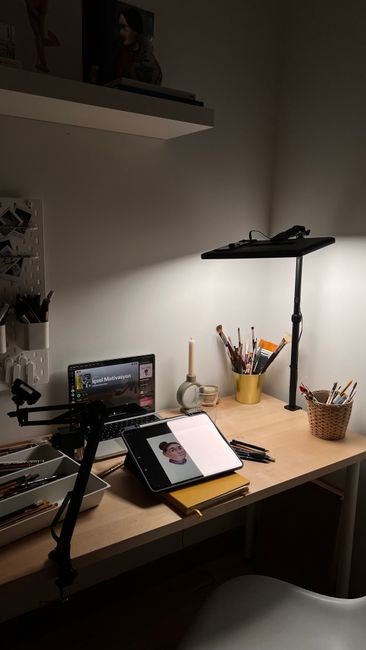
In the PDF, Yot systematically catalogs common light sources—incandescent, halogen, LED, fluorescent, and high‑pressure sodium—detailing their spectral power distributions and typical color temperatures measured in Kelvin. He explains how to interpret the Kelvin scale, from warm 2700 K to cool 6500 K, and how these values influence mood, contrast, and material rendering in both painting and digital media. The guide offers practical conversion charts for mixing white lights, and demonstrates the use of color‑matching gels to shift hues without altering intensity. Yot emphasizes the importance of maintaining consistent color temperature across multiple fixtures to avoid unwanted color shifts in large installations. He also discusses the impact of light source age on spectral output, recommending regular calibration with a spectroradiometer. The PDF includes step‑by‑step instructions for calculating lumen output and CRI (Color Rendering Index) to ensure accurate color reproduction. Finally, it covers safety considerations, such as heat dissipation and electrical load calculations, giving artists a comprehensive toolkit for designing reliable, high‑quality lighting setups
Educational Value
Yot’s PDF functions as a hands curriculum, blending theory with exercises. Students measure light spectra, calculate color temperatures, and design studio lighting, enhancing critical thinking and technical skill daily!!!
How Artists Use the PDF for Learning
Artists use the PDF as a practical guide, merging theory with studio practice. The book details how to set up light sources, adjust intensity, and manage color temperature, allowing painters, sculptors, and digital creators to observe real‑time effects. Case studies illustrate chiaroscuro, back‑lighting, and reflective surfaces, prompting experimentation and documentation. Exercises replicate famous light scenes, fostering critical analysis of mood and composition. A glossary ensures consistent terminology. Instructors embed the PDF into curricula, assigning weekly tasks that require students to photograph lighting setups and write reflective essays, creating an iterative feedback loop. The resource emphasizes measurable metrics—lux levels, Kelvin readings, spectral distribution—helping artists shift from intuition to data‑driven decisions. Worksheets record variables and track progress, making learning transparent and reproducible. Collaborative groups standardize lighting protocols for exhibitions, ensuring visual consistency across installations. The PDF’s accessibility supports diverse learning styles with diagrams, explanations, and checklists, building a robust foundation in lighting theory and art.!!

Community and Resources
Artists gather on forums, Discord, and Facebook groups to share PDF insights, swap lighting setups, and critique each other’s work. Study groups schedule challenges, while resources like PDFCOFFEE.COM provide downloadable chapters for group learning.

Online Discussions and Study Groups
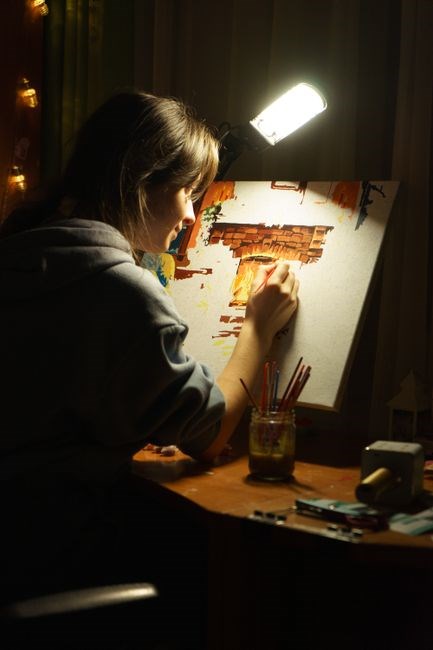
Artists worldwide convene in dedicated forums, Discord servers, and Facebook groups to dissect the Light for Visual Artists PDF. These platforms host threaded discussions where members upload screenshots of lighting setups, share quick tutorials, and critique each other’s interpretations of Yot’s concepts. Study groups often form around specific chapters, scheduling weekly virtual meet‑ups via Zoom or Google Meet. During sessions, participants present case studies, demonstrate how to translate the PDF’s color‑temperature guidelines into studio practice, and collaboratively troubleshoot common lighting pitfalls. Many groups maintain shared Google Drive folders containing annotated PDFs, supplemental worksheets, and links to external tutorials. The community also curates a rotating challenge series, encouraging members to recreate a scene from the book using only a single light source, then post results for peer feedback. These interactions not only deepen technical understanding but also foster mentorship, expanding the reach of Yot’s teachings beyond individual study. Members also share time‑lapse videos, enabling peers to analyze light transitions in real time. daily. and notes.
Related Works and Influences
Yot’s PDF echoes early light pioneers like Sonnier and modernists such as Eliasson offering clear guidance on color temperature shadow play, modern studio setups that inspire contemporary installations.
Sonnier and Early Light Art Movements
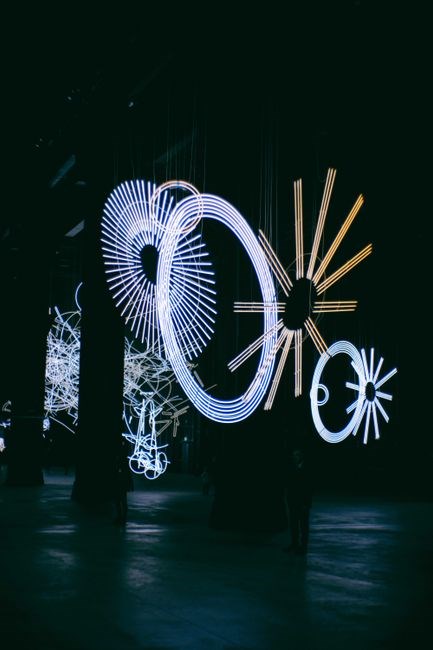
Richard Yot’s PDF references the pioneering work of Jean‑Pierre Sonnier, who in the 1970s introduced light as a sculptural medium. Sonnier’s installations—single or multiple tubes painted in hues such as red, blue, green, pink, yellow, ultraviolet, and four whites—demonstrated how color temperature and intensity shape perception. Yot expands on these ideas, offering practical guidance for artists to manipulate light sources, create dynamic shadows, and integrate digital tools. The PDF also surveys post‑minimalist and performance contexts where light defines spatial relationships, echoing Sonnier’s legacy while providing contemporary techniques for studio practice. Early light art movements, such as the 1960s Light and Space movement in Los Angeles, emphasized perception and illumination. Artists like James Turrell and Dan Flavin explored how light can alter space. Yot’s PDF contextualizes these traditions, providing step‑by‑step instructions for measuring color temperature, calibrating LEDs, and layering translucent materials to achieve desired moods. It also discusses safety protocols for high intensity fixtures and offers studies from contemporary installations that blend light with kinetic sculpture.
Citation and Reference
Yot, Richard. Light for Visual Artists Second Edition: Understanding and Using Light in Art & Design. ISBN 9781786274519. 2nd ed. 2024. Publisher: Routledge. ISBN 9781856696609 (1st ed.). Available worldwide!
ISBN and Publication Details
Richard Yot’s seminal guide, Light for Visual Artists, is available in two principal editions. The first edition, published in 2015 by Routledge, carries ISBN 9781856696609 and spans 288 pages of foundational theory and practical application. The second edition, released in 2024, expands on the original with updated lighting technology and new case studies; it is identified by ISBN 9781786274519 and is available in both print and PDF formats. Both editions are listed under the ISBN‑13 system, ensuring accurate cataloguing worldwide. Routledge, the publisher’s imprint, is known for high‑quality art and design texts. The second edition’s ISBN is registered with the ISBN Agency, providing a unique identifier for electronic distribution. Users can locate the PDF via the publisher’s website or reputable repositories, ensuring legitimate access and compliance with copyright regulations. The ISBN details are crucial for librarians, educators, and students seeking precise references for citation, interlibrary loan, or curriculum development and critical analysis!!. For further verification, the ISBN can be cross‑checked against the ISBN database or the publisher’s catalog page, which lists the edition, publication date, and format options. This meticulous bibliographic information supports scholarly work and facilitates accurate sourcing in academic and professional contexts.