Understanding the nuances of sterling silver flatware value requires considering historical context, maker’s marks, and current market demands, as evidenced by online collector communities.
What is Sterling Silver Flatware?
Sterling silver flatware represents a historical tradition of dining elegance, crafted with an alloy containing 92.5% pure silver and 7.5% other metals – typically copper – to enhance durability. This composition distinguishes it from other silver alloys like coin silver or silver plate.
Historically, flatware sets included pieces for various courses, reflecting elaborate dining customs. Today, collectors and enthusiasts value these sets not only for their intrinsic metal value but also for their artistry, craftsmanship, and the stories they tell about past eras. Identifying genuine sterling silver involves examining hallmarks, which indicate purity and origin.
Why Value Matters: Factors Influencing Price
Determining the value of sterling silver flatware is multifaceted, extending beyond simply the spot price of silver. Rarity of a pattern significantly impacts price, with limited-edition or discontinued designs commanding premiums. The condition of each piece – free from excessive wear, dents, or repairs – is crucial.
Furthermore, the reputation of the silversmith or manufacturer, like Gorham or Tiffany & Co., contributes substantially to value. Market trends, collector demand, and even regional preferences also play a role in establishing current pricing, as seen in auction results.
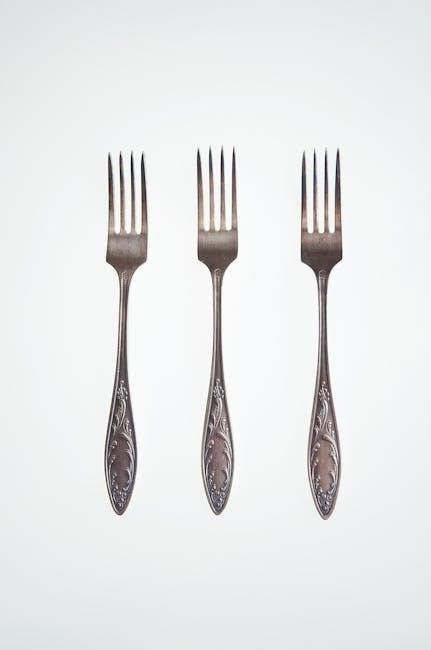
Understanding Hallmarks and Maker’s Marks
Identifying hallmarks and maker’s marks is essential for authenticating sterling silver flatware and tracing its origins, aiding accurate valuation processes.
Decoding Sterling Silver Hallmarks
Sterling silver hallmarks are intricate symbols providing crucial information about the flatware’s origin and quality. Common hallmarks include the maker’s mark, indicating the silversmith; the sterling standard mark (often “925” or a lion passant), verifying silver purity; and sometimes, a date letter denoting the year of manufacture.
These marks aren’t merely decorative; they’re legally required indicators of authenticity. Understanding these symbols unlocks a deeper understanding of the piece’s history and value. Variations exist between American, British, and European hallmarks, requiring specialized knowledge for accurate interpretation. Resources like online databases and antique guides are invaluable for decoding these complex markings.
Identifying Key American Silversmiths
Recognizing prominent American silversmiths significantly impacts flatware valuation. Gorham, founded in 1831, is renowned for its elaborate designs like Chantilly, consistently commanding high prices. Tiffany & Co., established in 1837, boasts historical prestige and exceptional craftsmanship, influencing collector demand.
Wallace Silversmiths, known for their innovative patterns, also holds considerable value. Other notable names include Towle and Kirk-Stieff. Identifying the maker’s mark – often found on the back of spoons or forks – is the first step in assessing a piece’s potential worth, as reputation drives collectibility.
Recognizing British and European Marks
British sterling silver hallmarks are complex, typically including the lion passant (indicating sterling silver), a sponsor’s mark (silversmith’s mark), the assay office mark (London, Edinburgh, etc.), and a date letter. European marks vary significantly by country; French silver often features a boar’s head for 800 fineness or a crab for 925.
German silver may display a crescent moon and star. Deciphering these marks requires specialized guides or expert appraisal. Understanding these symbols is crucial for verifying authenticity and determining the origin, impacting the flatware’s overall value and desirability.
Key Factors Affecting Sterling Silver Flatware Value
Weight, pattern rarity, and condition significantly influence value; heavier sets and scarce designs command higher prices, while wear diminishes worth considerably.
Metal Content and Weight
Sterling silver flatware’s value is intrinsically linked to its metal content, specifically the 92.5% silver composition. Weight plays a crucial role; heavier pieces contain more pure silver, directly impacting their melt value and overall worth. Dealers and collectors meticulously weigh items to determine silver quantity.
Larger sets and substantial pieces like serving utensils contribute significantly to the total silver weight. Fluctuations in silver market prices directly affect the inherent value of the flatware. Understanding the weight and silver purity is fundamental when assessing and trading sterling silver flatware.
Pattern Rarity and Popularity
The desirability of a sterling silver flatware pattern significantly influences its value. Highly sought-after, limited-edition, or discontinued patterns command premium prices among collectors. Popular designs, like Gorham’s Chantilly, generally retain strong market value due to consistent demand.
Rarity isn’t solely about age; unique or unusual patterns from lesser-known silversmiths can also be valuable. Conversely, mass-produced patterns may have lower resale values. Researching pattern history and collector interest is crucial for accurate valuation. Online auction sites reveal current market trends.
Condition: Assessing Wear and Tear
Evaluating the condition of sterling silver flatware is paramount to determining its value. Pieces in pristine, unused condition fetch the highest prices. However, normal wear from use – light scratches and minimal tarnish – is often acceptable.
Significant damage, such as deep scratches, dents, bent tines, or repairs, substantially reduces value. Excessive polishing can also diminish value by removing detail. Collectors often prefer original patina over aggressively polished pieces. Careful inspection is essential for accurate assessment.
Popular Sterling Silver Flatware Patterns & Their Value
Iconic patterns like Gorham’s Chantilly and Tiffany’s designs command premium prices due to their historical significance and enduring aesthetic appeal within collecting circles.
Gorham Chantilly: A Classic Example
Gorham’s Chantilly pattern, introduced in 1899, remains exceptionally popular among collectors and users alike, significantly influencing its market value. The pattern’s delicate floral and scrollwork designs, inspired by 18th-century French silver, contribute to its timeless appeal. A full service for eight, in excellent condition, can fetch several thousand dollars, depending on the specific pieces included and their condition.
Individual pieces, like serving spoons or butter knives, are also highly sought after. Factors like the presence of original chests or the completeness of a set dramatically impact the price. Chantilly’s consistent demand ensures it maintains a strong position in the sterling silver market, making it a reliable investment for enthusiasts.
Tiffany & Co. Patterns: Historical Significance
Tiffany & Co. flatware patterns command premium prices due to the firm’s long-standing reputation for exceptional craftsmanship and design innovation. Patterns like “Vine” and “Kings” are particularly valuable, often reflecting significant historical periods and artistic movements. The historical significance, coupled with Tiffany’s brand prestige, drives collector demand.
A complete Tiffany service can easily exceed the value of comparable sets from other silversmiths. Rarity plays a crucial role; limited-edition or discontinued patterns are especially prized. Condition is paramount, with pristine examples fetching the highest prices in the antique market.
Wallace Silversmiths: Notable Designs
Wallace Silversmiths produced a diverse range of sterling silver flatware patterns, many achieving considerable popularity and collector interest. Designs like “Grand Colonial” and “Rose Point” are frequently sought after for their elegant aesthetics and relatively accessible price points compared to Tiffany or Gorham.
Wallace’s strength lay in producing high-quality, commercially successful patterns. While not always reaching the extreme values of rarer brands, well-maintained Wallace sets represent a solid investment. Identifying specific pattern variations and assessing condition are key to accurate valuation within the current market.
Where to Find Value Information
Reliable valuation resources include online auction archives, antique dealer databases, and specialized price guides like Replacements, Ltd., offering comparative market data.
Online Auction Sites (eBay, LiveAuctioneers)
These platforms provide a wealth of real-time data regarding completed sales, offering insights into current market values for specific sterling silver flatware patterns. eBay’s “sold listings” filter is invaluable for determining what similar items have actually fetched from buyers. LiveAuctioneers aggregates results from numerous auction houses, broadening the scope of available pricing information.
However, exercise caution; condition significantly impacts price, and auction results can fluctuate. Thoroughly examine item descriptions and photographs, and compare multiple listings to establish a reasonable value range. Remember to factor in buyer’s premiums and shipping costs when assessing final prices.
Antique Dealer Resources
Experienced antique dealers specializing in silver offer expert appraisals and possess in-depth knowledge of patterns, makers, and market trends. Building relationships with reputable dealers can provide access to accurate valuations and potential selling opportunities. Local antique shops and shows are excellent starting points for finding knowledgeable professionals.
Dealers can assess condition, identify hallmarks, and provide insights into the historical significance of your flatware. While their services may involve a fee or commission, the expertise gained often justifies the cost, especially for valuable or complex pieces. Seek dealers with strong credentials and a proven track record.
Price Guides and Databases (Replacements, Ltd.)
Online databases like Replacements, Ltd. provide a comprehensive resource for researching sterling silver flatware patterns and values. These platforms compile sales data, offering a range of prices based on piece, condition, and pattern rarity. However, remember these are asking prices, not necessarily realized sale values.
Utilizing multiple sources is crucial, as prices can fluctuate. Price guides offer a starting point, but professional appraisals and auction results provide more accurate assessments. Regularly updated databases reflect current market trends, aiding in informed valuation decisions for your silver collection.
Assessing Condition for Accurate Valuation
Detailed examination of scratches, dents, and repairs significantly impacts value; pristine condition commands higher prices, while damage lowers the overall worth of pieces.
Types of Damage: Scratches, Dents, and Repairs
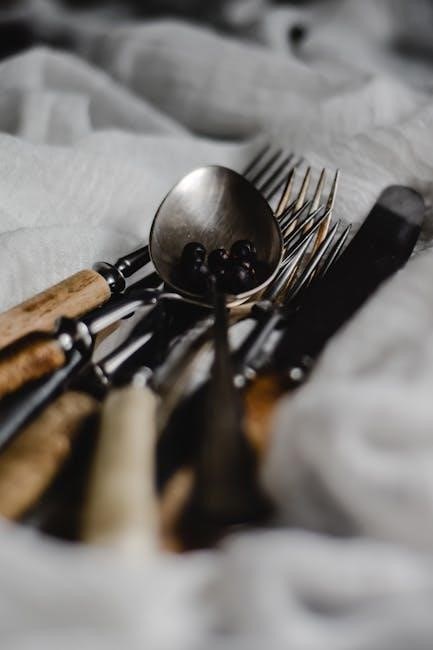
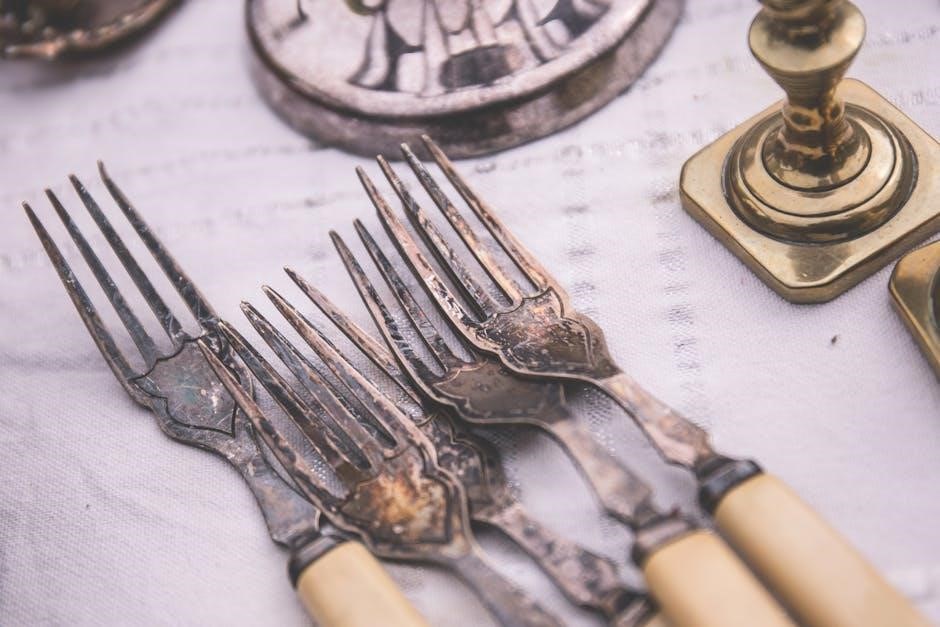
Surface scratches, often from regular use and improper cleaning, generally have a minimal impact on value unless exceptionally deep or extensive. However, noticeable dents, particularly in bowls of spoons or the faces of forks, substantially decrease worth. Repairs, while sometimes necessary, are viewed cautiously by collectors; professionally done repairs are preferable, but any alteration from the original state diminishes value. Poorly executed repairs can significantly devalue a piece. Evidence of soldering, filling, or reshaping should be carefully noted during assessment, as these indicate prior damage and intervention. Collectors prioritize originality, so unrestored pieces often command higher prices, even with minor imperfections.
Cleaning and Polishing: Impact on Value
Aggressive polishing can actually reduce the value of sterling silver flatware. While a gentle polish to remove tarnish is acceptable, over-polishing thins the silver layer over time, diminishing its weight and detail. Collectors often prefer a natural patina, indicating age and authenticity. Harsh chemicals should be avoided entirely, as they can cause pitting and discoloration. Lightly cleaning to remove surface dirt is best, preserving the original finish. Professional cleaning, if needed, should be entrusted to a specialist experienced in antique silver care, ensuring minimal damage.
Professional Appraisal Considerations
A qualified appraiser assesses sterling silver flatware considering hallmarks, pattern rarity, condition, and current market trends. Formal appraisals are crucial for insurance purposes, estate settlements, or when selling valuable pieces. Accredited appraisers, affiliated with organizations like the American Society of Appraisers, provide unbiased valuations. They’ll examine each piece meticulously, noting any damage or repairs. Appraisal reports detail the methodology used and provide a documented value. Fees vary based on the scope of the appraisal and the appraiser’s expertise, ensuring a professional and accurate assessment.
Current Market Trends in Sterling Silver
Fluctuating silver prices, coupled with increased demand for vintage silverware, significantly impact flatware values, creating regional market variations for collectors.
Impact of Silver Prices on Flatware Value
The intrinsic value of sterling silver flatware is inextricably linked to the spot price of silver itself. When silver prices rise on the commodities market, the melt value of the silver content in flatware increases, often leading to higher prices for antique pieces. Conversely, declining silver prices can depress values. However, it’s not a simple correlation; desirability, pattern rarity, and condition also play crucial roles. Collectors often view flatware as both an investment in silver and a collectible item, meaning market sentiment can sometimes outweigh purely metal-based valuations. Monitoring silver price trends is essential for both buyers and sellers to accurately assess current market conditions and potential fluctuations.
Demand for Vintage and Antique Silverware
Currently, there’s a noticeable resurgence in demand for vintage and antique sterling silver flatware, driven by several factors. A growing appreciation for craftsmanship, a desire for unique table settings, and a shift away from mass-produced items contribute to this trend. Younger generations are increasingly drawn to the elegance and history associated with silver, fueling collector interest. Specific patterns, like Gorham Chantilly or Tiffany designs, consistently command premium prices. This heightened demand, coupled with limited supply of certain patterns, often results in competitive bidding at auctions and increased values.
Regional Variations in Market Value
Sterling silver flatware values aren’t uniform across geographical locations. Major metropolitan areas, particularly those with established antique markets like New York and London, often exhibit higher prices due to increased collector activity and dealer presence. Southern states in the US frequently demonstrate strong demand for traditional patterns, impacting their value. Conversely, areas with less antique interest may see comparatively lower prices. Shipping costs and local economic conditions also contribute to these variations, making regional research crucial for accurate valuation and successful sales.

Selling Your Sterling Silver Flatware
Options include auction houses, dealers, consignment, and direct sales to collectors; each method offers varying levels of control and potential profit, requiring careful consideration.
Auction Houses vs. Dealers
Auction houses can achieve higher prices, especially for rare or highly sought-after patterns, due to competitive bidding amongst collectors. However, they charge commission fees, typically ranging from 15-25% of the final sale price, impacting your net return. Dealers offer a quicker, more straightforward transaction, providing an immediate offer based on their assessment of the flatware’s value.
While dealers generally offer less than auction results, they eliminate the uncertainties of bidding and associated fees. Consider the urgency of the sale and the potential value when deciding. Research auction house estimates and dealer appraisals to compare and make an informed choice, maximizing your return on investment.
Consignment Options
Consignment offers a middle ground between direct sales and auction houses, allowing you to leverage a dealer’s expertise and customer base without immediate sale pressure. The dealer displays and markets your flatware, taking a percentage of the final sale price – typically 20-40% – as their commission.
This option is ideal if you’re not in a rush to sell and believe your flatware has significant value. Carefully vet potential consignees, reviewing their reputation, marketing strategies, and commission structure. A detailed consignment agreement outlining terms, valuation, and insurance is crucial for a smooth and profitable transaction.
Direct Sales to Collectors
Selling directly to collectors can potentially yield the highest returns, bypassing dealer or auction house fees. Online platforms and collector forums facilitate direct connections, but require significant effort in marketing, authentication, and secure transactions.
Thorough research is vital to accurately price your flatware and identify genuine buyers. Detailed photographs, accurate descriptions, and transparent condition reports are essential. Be prepared to negotiate and handle shipping logistics independently. Building trust and establishing a reputation within the collecting community is key to successful direct sales.
Caring for Your Sterling Silver Flatware
Proper storage, gentle cleaning, and preventative measures against tarnish are crucial for maintaining both the beauty and long-term value of your silver.
Proper Storage Techniques
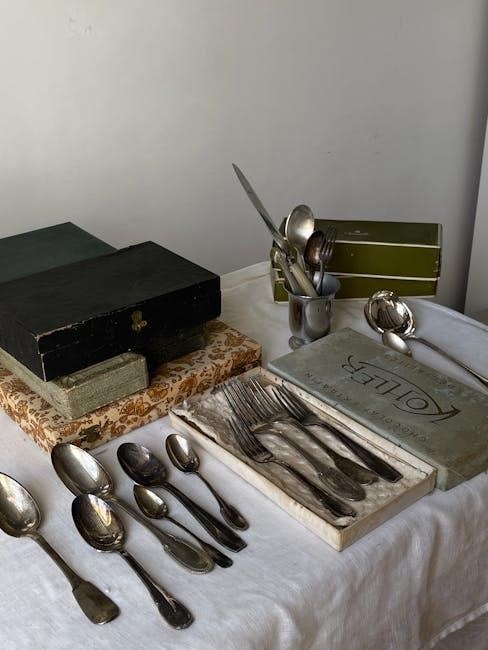
Protecting your sterling silver flatware from environmental factors is paramount for preservation. Individually wrapping each piece in tarnish-resistant cloth, like Pacific Silvercloth, minimizes exposure to air and moisture – key culprits in the tarnishing process. Avoid storing silver with rubber bands, as they contain sulfur which accelerates discoloration.
Ideally, store flatware in a felt-lined chest or drawer, away from humidity and extreme temperature fluctuations. Consider using silver protectors or bags designed specifically for flatware. Regularly inspecting your stored silver allows for early detection of any tarnish, enabling prompt and gentle cleaning before significant damage occurs, thus safeguarding its value.
Cleaning and Maintenance Best Practices
Gentle cleaning is crucial for maintaining sterling silver flatware’s value. Avoid abrasive cleaners, as they can cause scratches. Use a mild dish soap and warm water, followed by thorough rinsing and immediate drying with a soft, lint-free cloth. For heavier tarnish, specialized silver polish can be used, but sparingly and following product instructions carefully.
Regular, light cleaning is preferable to infrequent, harsh cleaning. Hand-washing is recommended over dishwashers, as the harsh detergents can damage silver. Proper drying prevents water spots and further tarnishing, preserving the flatware’s luster and collectible appeal.
Preventing Tarnish and Damage
To minimize tarnish, store sterling silver flatware in airtight containers or tarnish-resistant cloths, ideally in a cool, dry place. Avoid storing it with rubber bands or other materials containing sulfur, which accelerate tarnishing. Individual wrapping of pieces offers extra protection.
Handle silver flatware with care, avoiding dropping or subjecting it to harsh impacts. When setting the table, use placemats to prevent scratches. Regular use, surprisingly, can help prevent tarnish, as friction from polishing during use keeps the surface bright.
Resources for Further Research
Dedicated books, online forums brimming with expertise, and museum collections offer invaluable insights for deepening your understanding of sterling silver flatware.
Books on Sterling Silver Identification
Several comprehensive books serve as essential guides for identifying and valuing sterling silver flatware. “Godden’s Guide to English Silver” is a classic, offering detailed information on hallmarks and makers. “Collecting Victorian Silver” provides focused expertise on that era’s designs. For American silver, “American Silver Flatware: A Collector’s Guide” is highly recommended. These resources detail pattern recognition, hallmark decoding, and historical context, empowering collectors to accurately assess pieces. Look for editions with updated pricing information, though remember market values fluctuate. Supplementing these with specialized pattern books can further refine identification skills, leading to more informed valuations.
Online Forums and Communities
Engaging with online forums and communities dedicated to silver collecting provides invaluable insights. Platforms like Reddit’s r/silver and specialized forums offer spaces to share photos, ask questions, and learn from experienced collectors. These communities often discuss current market trends, identify difficult hallmarks, and provide pattern identification assistance. Be mindful of differing opinions and always verify information. Active participation allows you to build knowledge, understand pricing nuances, and connect with individuals passionate about sterling silver flatware, enhancing your valuation skills.
Museum Collections and Exhibits
Exploring museum collections and exhibits featuring sterling silver flatware offers a unique perspective on historical designs and craftsmanship. Institutions like the Metropolitan Museum of Art and the Smithsonian often showcase significant pieces, providing context for pattern origins and maker histories. Observing these displays can refine your eye for quality and detail, aiding in accurate valuation. Museum websites frequently provide detailed object descriptions, enhancing your understanding of stylistic evolution and relative rarity within the broader silver market.